


In our fast-paced world, many people seek relief from stress, pain, and various ailments through conventional medicine. However, more individuals are turning towards holistic healing—a practice that emphasizes the importance of treating the whole person, rather than just the symptoms. This article offers insights into holistic healing and explores various alternative therapies that can complement your wellness journey.
What is Holistic Healing?
Holistic healing is based on the idea that our mind, body, and spirit are interconnected. By addressing emotional, physical, and spiritual well-being, we can achieve a greater sense of balance and health. This approach encourages us to look beyond immediate symptoms and understand the root causes of our ailments.
Benefits of Holistic Healing
- Promotes Overall Wellness: Holistic healing focuses on enhancing general wellness rather than merely alleviating symptoms.
- Boosts Mental Health: Therapies like meditation and yoga can reduce anxiety and improve mood, offering mental clarity and emotional stability.
- Enhances Self-Awareness: By engaging in holistic practices, individuals often become more aware of their needs, leading to better self-care.
- Supports Natural Healing: Many alternative therapies support the body’s natural healing processes, making them safe and effective options.
Popular Alternative Therapies
Exploring alternative therapies can be both enlightening and beneficial. Here are a few popular options that are often integrated into holistic healing practices:
-
Acupuncture: This ancient practice involves inserting thin needles into specific points on the body to balance energy and alleviate pain. Acupuncture is effective in treating various conditions, including migraines and chronic pain.
-
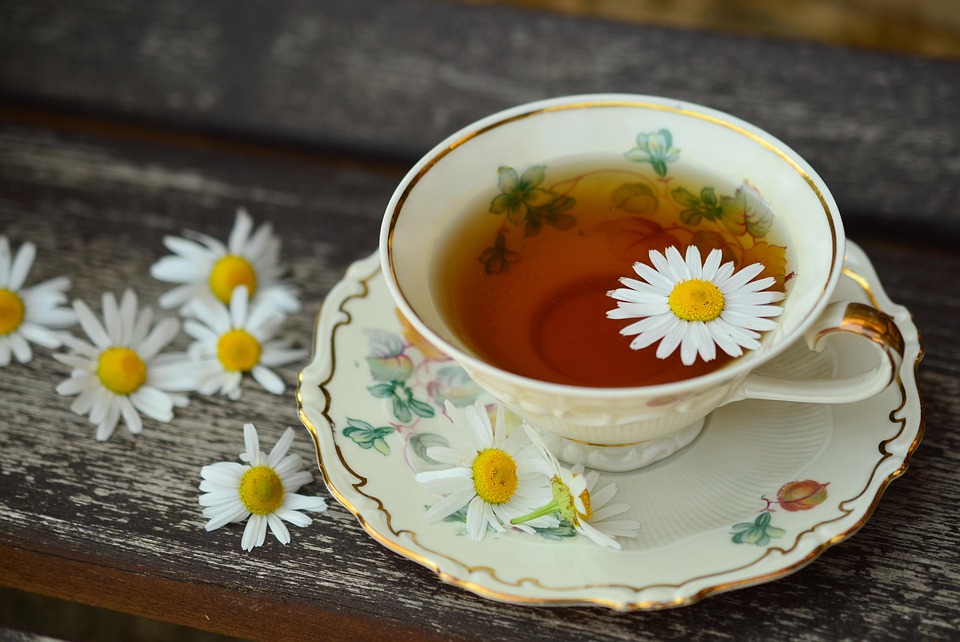
Herbal Medicine: Utilizing plants and herbs for healing is a time-honored approach. From chamomile for relaxation to ginger for digestive health, herbal remedies can offer gentle support to modern medications.
-
Aromatherapy: Harnessing the power of essential oils can elevate mood and promote relaxation. Scents like lavender and eucalyptus can have profound effects on mental clarity and emotional well-being.
-
Massage Therapy: Regular massages can relieve tension, improve circulation, and accelerate recovery from injuries. Different styles, such as Swedish or deep tissue, cater to individual needs.
-
Mindfulness and Meditation: Mindfulness practices can reduce stress and enhance emotional well-being. Even just a few minutes each day can make a significant impact on mental health.
-
Nutrition: A holistic approach to healing emphasizes the importance of a balanced diet rich in whole foods. Nutrition plays a crucial role in physical health and can aid in the prevention of various ailments.
Integrating Holistic Healing into Your Life
Embracing holistic healing does not mean you must abandon conventional medical treatments. Instead, consider it a complementary approach. Here’s how to integrate these therapies into your lifestyle:
- Start Small: Introduce one new practice at a time, whether it’s meditation, yoga, or herbal teas.
- Consult Professionals: Work with trained practitioners for guidance on therapies that suit your specific health needs.
- Listen to Your Body: Pay attention to how your body responds to different therapies, and adjust your approach accordingly.
- Stay Open-Minded: Holistic healing is highly individualized. What works for one person may not work for another, so it’s essential to explore various options.
Conclusion
Holistic healing offers a refreshing perspective on health, inviting us to explore alternative therapies for modern ailments. By recognizing the interconnectedness of our physical, mental, and emotional health, we empower ourselves to take an active role in our wellness journey. Whether you’re dealing with chronic pain, stress, or simply want to enhance your overall well-being, holistic healing provides a pathway to a balanced, fulfilling life. Embrace this journey, and remember: your body is your greatest ally on the road to wellness.