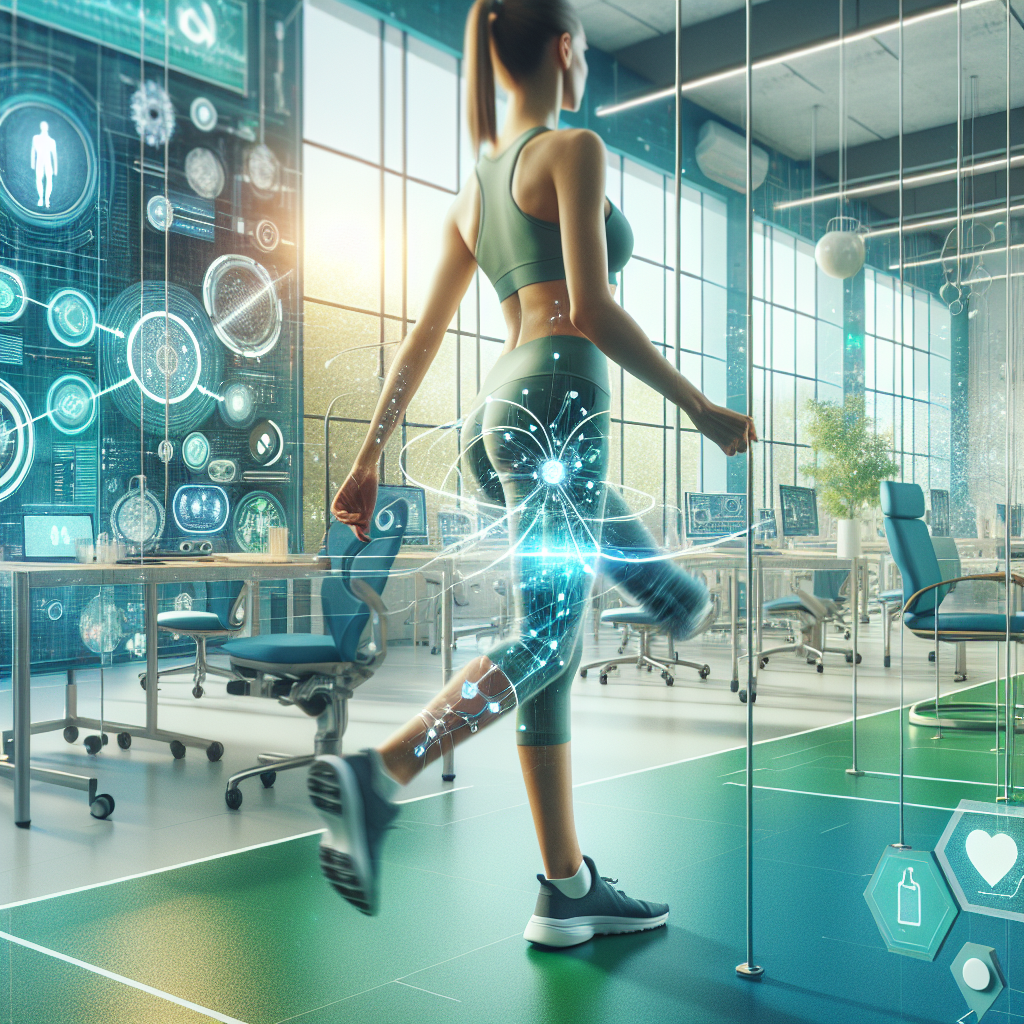







Navigating Change: Technological Innovations in Healthcare Explained
In the ever-evolving landscape of healthcare, navigating change can feel overwhelming. However, embracing technological innovations is essential for improving patient outcomes and enhancing operational efficiency. Navigating Change: Technological Innovations in Healthcare Explained provides insights into the latest advancements that can make a difference in our lives.
Telehealth: Expanding Access to Care
One of the most significant innovations in recent years has been the rise of telehealth. This technology allows patients to consult with healthcare professionals from the comfort of their homes.
Benefits include:
- Increased Accessibility: Patients in remote areas can receive care without the need for travel.
- Time-Saving: Reduces waiting times for appointments and travel time.
- Cost-Effective: Often, telehealth visits come with lower costs compared to traditional visits.
Wearable Technology: Empowering Patients
Wearable devices have transitioned from fitness trackers to essential health monitoring tools. They empower patients to take control of their health.
Key features include:
- Real-Time Monitoring: Users can track heart rates, sleep patterns, and more.
- Data Sharing with Providers: Enables healthcare professionals to monitor patient health more effectively.
- Enhanced Engagement: Encourages patients to be active participants in their healthcare journey.
Artificial Intelligence: Revolutionizing Diagnosis and Treatment
Artificial Intelligence (AI) is transforming how healthcare is delivered. By analyzing vast amounts of data, AI can assist in diagnosing issues more accurately and quickly than ever before.
Advantages of AI in healthcare include:
- Predictive Analytics: AI can identify potential health risks before they become serious.
- Personalized Treatment Plans: Tailors interventions based on individual patient data.
- Operational Efficiency: Streamlines administrative tasks, allowing healthcare providers to focus more on patient care.
Electronic Health Records (EHR): Streamlining Information
The transition from paper to electronic health records has been a game-changer in patient information management. EHR systems improve the accuracy and accessibility of patient data.
Benefits of EHR include:
- Improved Coordination of Care: Multiple providers can access the same patient information in real-time.
- Reduced Errors: Minimizes the risks associated with handwritten notes or missing records.
- Enhanced Patient Engagement: Patients can access their health information, promoting transparency.
3D Printing: Customization in Healthcare
3D printing technology has taken healthcare by storm, offering new avenues for creating customized medical solutions.
Possibilities include:
- Prosthetics Designed for Individual Needs: Tailors prosthetic limbs for an ideal fit.
- Surgical Models: Helps surgeons plan operations by using patient-specific anatomical models.
- Bio-printing Organs: Although still in developmental stages, the potential for printing tissues and organs is revolutionary.
Conclusion: Embracing the Future
Navigating change in healthcare might seem daunting, but technological innovations are paving the way for a brighter future. By staying informed and open to these advancements, we can make empowered choices about our health.
Remember, every step into the world of technology in healthcare is a step toward better health outcomes and a more efficient healthcare system. Let’s embrace the journey together!