



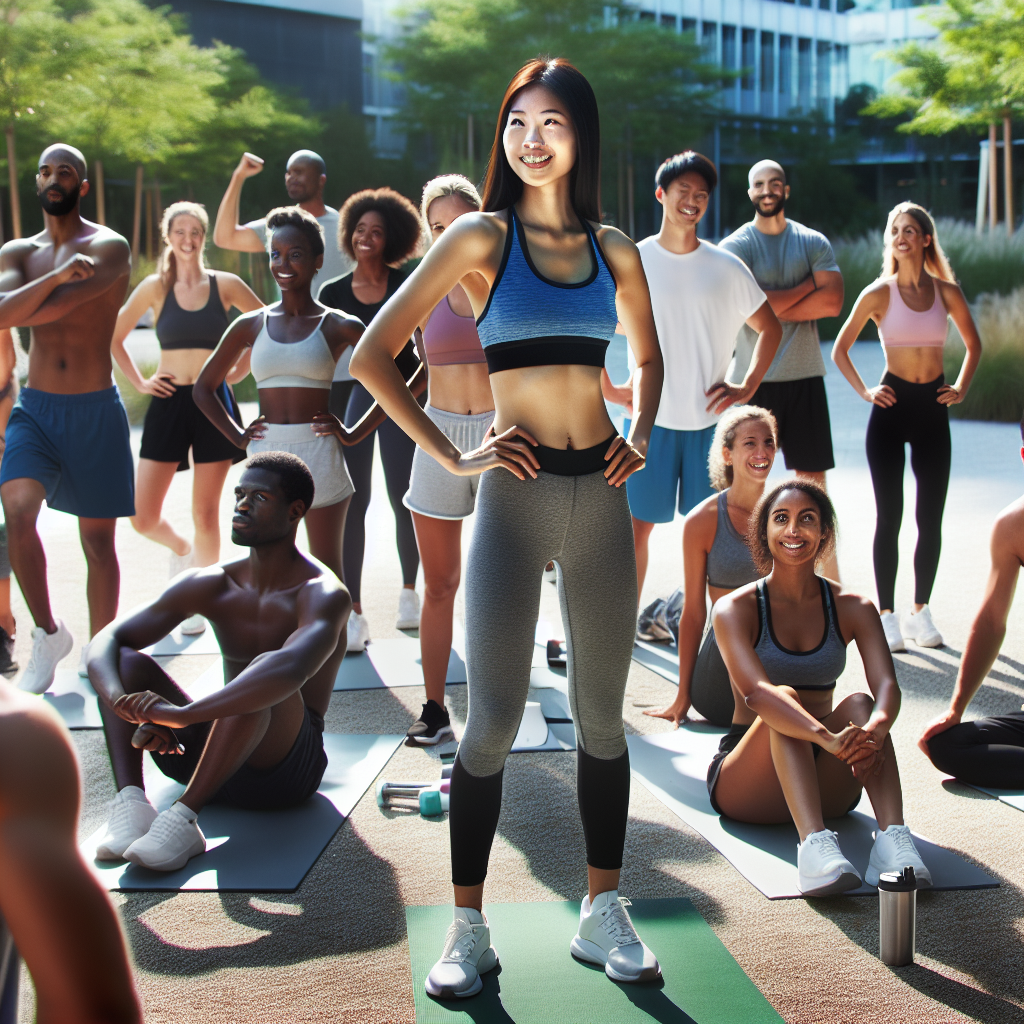
Understanding health in the United States requires a look beyond surface-level statistics. In this journey, we will explore how different demographics experience health, uncovering patterns that can empower individuals and communities alike. Health by demographic in the USA: unveiling the hidden patterns can reveal much about access, lifestyle choices, and the overall wellness landscape across various groups.
Age and Health: A Tapestry of Needs
Age plays a significant role in health outcomes. From children to seniors, each stage of life presents unique challenges and opportunities.
- Children: Focus on preventive care and nutrition is crucial. Childhood obesity rates are rising, making education around healthy eating vital.
- Young Adults: Mental health becomes a critical priority. With many facing pressures from career and social life, supportive resources are more important than ever.
- Older Adults: Chronic diseases become more prevalent, emphasizing the need for regular health screenings and tailored exercise programs.
By tailoring health initiatives to the needs of each age group, we can significantly improve overall wellbeing.
Gender and Health: Diverse Experiences
Men and women often experience health differently, influenced by a combination of biological, social, and cultural factors.
- Women: They tend to seek medical help more often than men, yet still face gaps in research regarding their specific health needs, especially in areas like heart disease and mental health.
- Men: Known for less frequent doctor visits, health initiatives focusing on preventive care, specifically for heart health and mental wellness, are essential.
Promoting awareness around gender-specific health issues is vital for empowering all individuals.
Income and Health: A Correlation with Consequences
Economic factors play a critical role in health outcomes. Higher income often correlates with better access to healthcare, nutritious food, and healthy lifestyle choices.
- Lower-Income Groups: Have higher rates of chronic conditions. Focused community programs can help bridge the gap by providing resources for healthier living.
- Middle and Upper-Income Groups: Often have access to healthcare but may face lifestyle-related issues, such as stress and sedentary behavior.
Health by demographic in the USA: unveiling the hidden patterns allows us to see these disparities, urging the need for holistic approaches in community health initiatives.
Race and Health: Addressing Inequalities
Different racial and ethnic backgrounds present distinct health challenges, often stemming from historical and systemic inequalities.
- African American Communities: Tend to experience higher rates of hypertension and diabetes. Culturally competent care and outreach can lead to better health outcomes.
- Hispanic Communities: Often face barriers related to language and access. Community health workers can play a crucial role in bridging this gap.
Acknowledging these disparities is the first step toward creating equitable health solutions that reach everyone.
Geographic Variations: Urban vs. Rural Health
Where you live can drastically impact your health. Urban and rural areas face unique challenges.
- Urban Residents: May have better access to healthcare facilities but experience high levels of pollution and stress.
- Rural Residents: Often travel long distances for care, facing additional barriers regarding healthcare access and preventive services.
Highlighting these geographic differences helps policymakers create targeted strategies for each community.
Conclusion: A Call to Action for Wellness
Understanding health by demographic in the USA: unveiling the hidden patterns is key to fostering a healthier society. By recognizing and addressing the unique needs of different groups, we can work towards solutions that empower everyone to lead healthier lives. Let’s embrace these insights and advocate for a future where wellness is accessible to all.
Remember, every small step counts. Whether it’s learning about your health risks or supporting community programs, you have the power to make a difference. Together, we can create a healthier, more equitable world!